Chain Reorganization: What It Is, Why It Matters, and How It Affects Crypto Security
When a chain reorganization, a process where a blockchain temporarily replaces part of its history with a longer, more valid version. Also known as a blockchain reorg, it’s how decentralized networks fix mistakes and maintain consensus without a central authority. Think of it like a GPS rerouting you after a detour—only instead of roads, it’s blocks of transactions being swapped out in real time. On Bitcoin, this almost never happens because the network is too secure and too large. But on smaller chains, reorgs can occur daily—and they’re one of the biggest hidden risks in crypto.
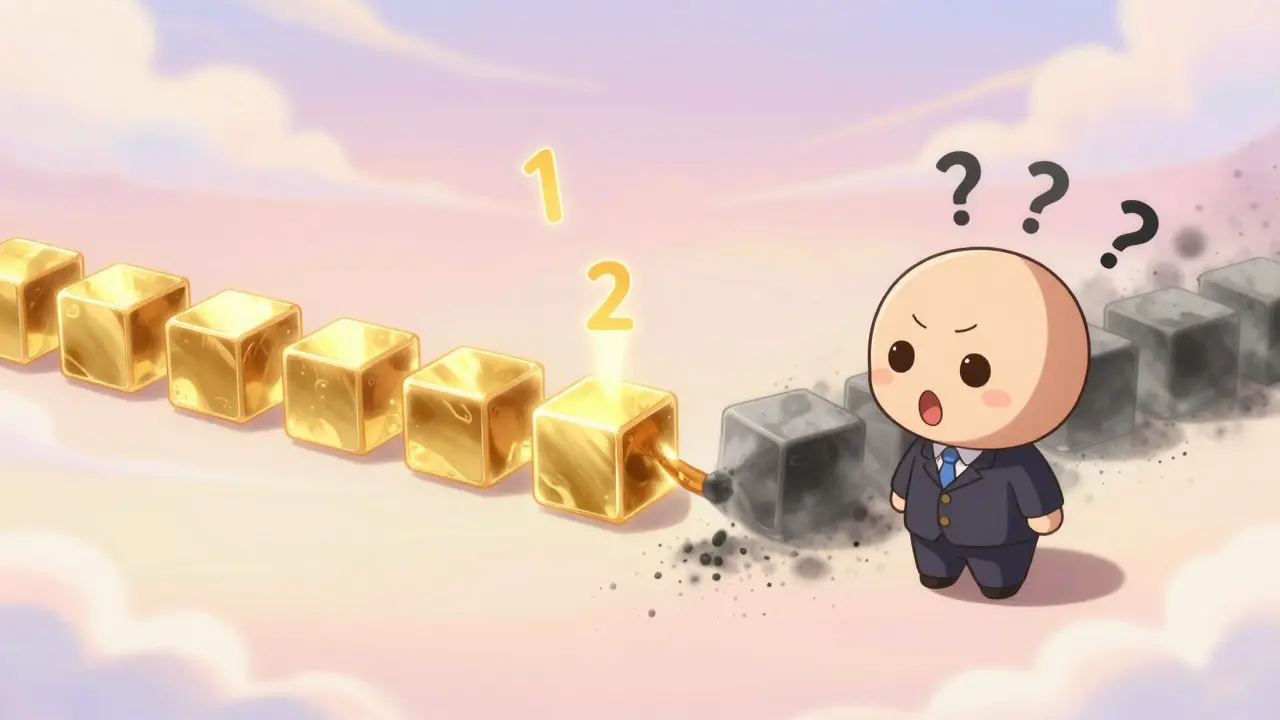
Chain reorganizations happen when two miners find a valid block at nearly the same time. The network picks the longest chain as the truth, and the shorter one gets discarded. The transactions in the discarded block? They go back into the mempool to be mined again. If you sent crypto during that window, your transaction might disappear—only to reappear later, or vanish entirely if the chain keeps shifting. This is why exchanges and wallets wait for 6 confirmations before considering a Bitcoin transaction final. On Ethereum, reorgs are more common due to faster block times, and some DeFi protocols have been hacked because they assumed blocks were immutable.
It’s not just about lost transactions. A malicious actor with enough mining power can intentionally create a long alternate chain to reverse payments—a 51% attack, a scenario where a single entity controls more than half of a blockchain’s mining power, allowing them to rewrite history. This has happened on chains like Verge and Ethereum Classic. Even smaller reorgs, like 2- or 3-block deep ones, can break smart contracts that rely on block timestamps or sequence numbers. That’s why projects like THORChain and O3 Swap avoid cross-chain swaps unless they’re deep enough in the chain to be safe.
Some chains, like Bitcoin, are designed to resist reorgs through high hash rates and slow block times. Others, like many new Layer 2s or sidechains, trade security for speed—and that’s where the real danger lies. If you’re holding assets on a chain with low hash rate, you’re essentially trusting that no one will try to rewrite history. And if you’re using a wallet or exchange that doesn’t wait for enough confirmations? You’re gambling.
What you’ll find in the posts below are real cases where chain reorganizations, or the lack of proper safeguards around them, led to losses, scams, or regulatory fallout. From crypto bans in Egypt to dead exchanges like BiONE and O3 Swap, many failures trace back to a simple misunderstanding: assuming blockchains are immutable when they’re not. You’ll learn how to spot risky chains, what confirmation depth actually means, and why some platforms disappear overnight—not because they’re scams, but because their underlying tech couldn’t handle the basics.