Central Bank of Egypt crypto: What You Need to Know About Crypto Rules in Egypt
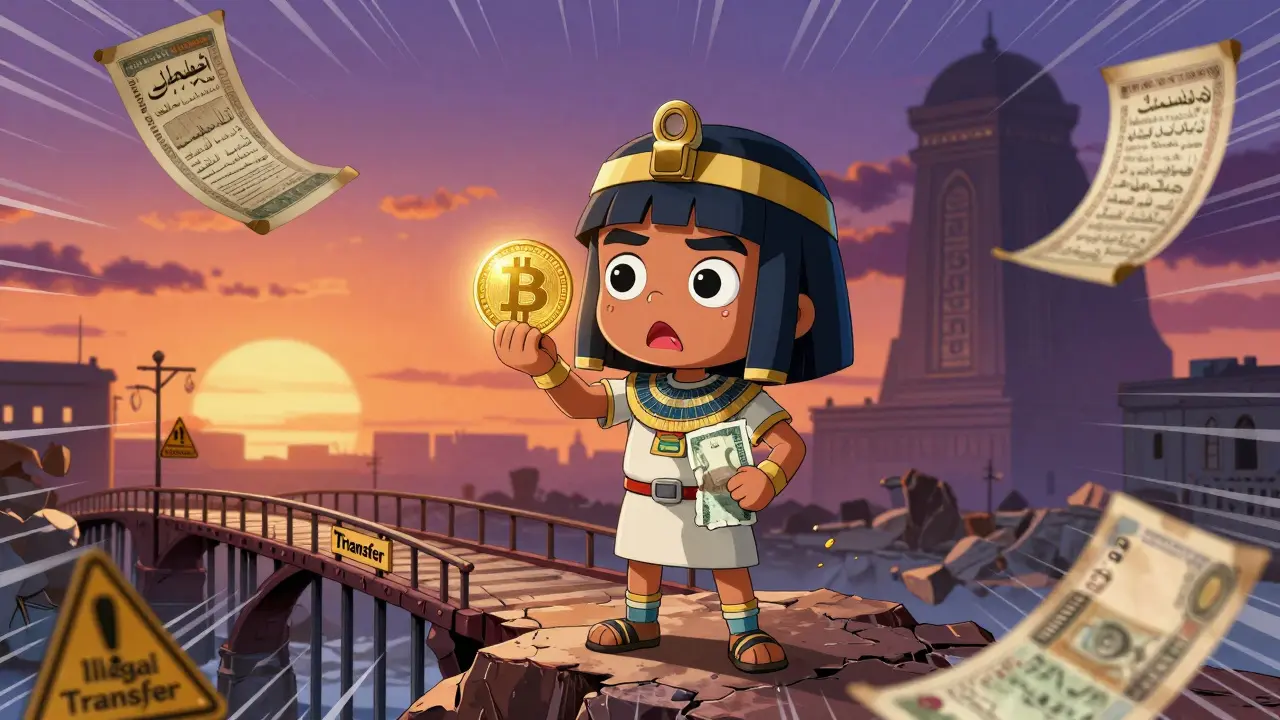
When it comes to Central Bank of Egypt crypto, the official stance from Egypt’s central financial authority is a hard no. Also known as CBE crypto policy, this position bans banks and financial institutions from handling any cryptocurrency-related activities, making it illegal to deposit, withdraw, or trade crypto through licensed Egyptian banks. Unlike countries that are slowly opening up to digital assets, Egypt’s central bank has doubled down on its 2018 warning, calling Bitcoin and other cryptos "unregulated," "risky," and "not legal tender."
But here’s the twist: people in Egypt are still using crypto anyway. P2P platforms like Paxful and LocalBitcoins are packed with traders exchanging Egyptian pounds for Bitcoin and USDT. Why? Because inflation has crushed the pound, and remittances from Egyptians abroad are a lifeline. Many use crypto not to gamble, but to protect savings or send money home without paying 15% fees to Western Union. The Egyptian cryptocurrency regulations, a strict framework built to control capital flight, are enforced through bank monitoring and telecom tracking. If you use a VPN to access Binance or Kraken, your ISP might flag you—and banks can freeze accounts linked to crypto transactions.
The Egypt crypto ban, a policy meant to preserve financial stability hasn’t stopped adoption—it’s just pushed it underground. The Central Bank of Egypt doesn’t have the tools to shut down decentralized networks, so they focus on punishing intermediaries: exchange agents, cash-in/cash-out brokers, and even people who accept crypto as payment for goods. Meanwhile, the government quietly explores blockchain for land registries and digital ID systems, hinting that their real target isn’t the tech—it’s the loss of control.
What you’ll find in this collection isn’t a guide to buying crypto in Egypt—it’s a look at how real people navigate a system that says "no" but can’t stop them. From traders caught in bank freezes to the underground P2P networks keeping the market alive, these stories show the gap between policy and practice. There are no official exchanges, no licensed wallets, and no legal path—but there’s still demand. And where there’s demand, people find a way.