
You bought Bitcoin. It went up. You want to sell it without giving half your profit to the government. For years, that was a fantasy for most investors. But in El Salvador, it is reality.
As of mid-2026, El Salvador remains one of the few places on earth where you can realize profits from Bitcoin and pay zero percent capital gains tax. This isn't a loophole or a temporary promotion. It is codified law. However, the landscape shifted dramatically between 2024 and 2025 due to pressure from international lenders. The rules are still favorable, but they are stricter than they were in 2021.
If you are looking to move money, start a business, or simply hold assets with better tax efficiency, understanding the current framework is critical. Here is exactly how the system works today, who qualifies, and what traps to avoid.
The Core Policy: Zero Tax on Bitcoin Gains
At its heart, the policy is simple. When you sell Bitcoin for a profit in El Salvador, the government does not tax that gain. This applies to individuals and businesses alike. This stands in stark contrast to countries like the United States or those in the European Union, where cryptocurrency is treated as property, triggering capital gains taxes that can range from 15% to over 37%, plus local surcharges.
This exemption is rooted in the country's Digital Assets Law. Passed in 2021, this legislation established Bitcoin as legal tender alongside the US dollar. By defining Bitcoin as money rather than an asset class subject to speculative taxation, the state removed the basis for capital gains tax.
For foreign investors, there is a specific threshold. If you invest more than ₿3 (three Bitcoin) into the country, you become eligible for complete capital gains tax exemption on your Bitcoin profits. This was designed to attract high-net-worth individuals and institutional players who could provide liquidity and stability to the market.
How the IMF Deal Changed Things in 2025
You cannot talk about El Salvador's crypto policy without mentioning the International Monetary Fund (IMF). In December 2024, El Salvador secured a $1.4 billion loan from the IMF. This lifeline came with strings attached. The IMF demanded changes to how the country handled Bitcoin to reduce fiscal risk.
In February 2025, an amendment to the Bitcoin law was passed to satisfy these conditions. Here is what changed:
- Mandatory Acceptance Ended: Merchants no longer have to accept Bitcoin if they don't want to. They can choose to deal only in dollars.
- No More Government Buying: The state stopped its aggressive accumulation strategy. No more monthly purchases of Bitcoin using public funds.
- Tax Payments in BTC Stopped: While you can still use Bitcoin for some services, paying taxes directly in Bitcoin was discontinued to simplify accounting for the treasury.
- Chivo Wallet Wind-Down: The state-sponsored Chivo wallet saw reduced involvement, shifting focus toward private sector solutions.
Crucially, the core capital gains tax exemption survived. The IMF did not demand that El Salvador start taxing Bitcoin profits. This means the tax haven status remains intact, even though the "Bitcoin-first" cultural push has cooled significantly.
Licensing: BSP vs. DASP
If you plan to operate a business in El Salvador-whether it's an exchange, a wallet provider, or a payment processor-you need a license. The regulatory body overseeing this is the National Commission of Digital Assets (CNAD). They issue two distinct types of licenses.
| License Type | Full Name | What It Covers | Best For |
|---|---|---|---|
| BSP | Bitcoin Service Provider | Bitcoin-only operations: exchanges, wallets (custodial/non-custodial), payment processing. | Purists, Bitcoin-focused banks, mining pools. |
| DASP | Digital Asset Service Provider | All other digital assets: Ethereum, Solana, NFTs, token issuance, investment services. | Multi-coin exchanges, DeFi platforms, NFT marketplaces. |
Getting a BSP license allows you to operate exclusively with Bitcoin. This is often preferred by companies that want to align strictly with the country's legal tender status. The DASP license is broader and covers the rest of the crypto ecosystem. Both require rigorous compliance checks, including Anti-Money Laundering (AML) and Know Your Customer (KYC) protocols.

Business Taxes and the LEAD Program
Individuals aren't the only ones benefiting. Companies operating in El Salvador enjoy significant tax breaks under the LEAD program (Law for Economic Development through Investment). If you set up a crypto business here, you might be exempt from:
- Corporate income tax
- Services transfer tax
- Municipal taxes
Foreign investors also benefit from exemptions on import duties. However, there is a catch. Income generated outside El Salvador is generally not taxed locally. But income earned within the country remains subject to local regulations, although the LEAD incentives often neutralize this cost for qualifying projects.
There is also the ambitious Bitcoin City project. This special economic zone promises a total tax haven: no taxes on income, property, purchasing, or emissions. While construction and implementation have been slower than initially projected, the legal framework for this zero-tax zone remains active for future development.
Is Anyone Actually Using Bitcoin?
Here is the hard truth. Despite the tax benefits and legal tender status, everyday Salvadorans are using Bitcoin less than before. Data from the Instituto Universitario de Opinión Pública (Iudop) shows a clear decline in adoption:
- 2021: 25.7% usage rate
- 2022: 21% usage rate
- 2023: 12% usage rate
- 2024: 8.1% usage rate
Why the drop? Volatility, technical friction, and the fact that the US dollar is deeply entrenched in daily life. Most people prefer the stability of the greenback for buying groceries. Bitcoin has largely retreated to being a store of value or a tool for remittances among tech-savvy users, rather than a medium of exchange for street vendors.
However, for investors and businesses, the lack of domestic retail usage doesn't negate the tax advantage. You don't need everyone in San Salvador to buy coffee with sats for the capital gains exemption to work for your portfolio.
Compliance Requirements You Can't Ignore
Just because there is no capital gains tax doesn't mean you are off the hook entirely. The CNAD and the Ministry of Finance expect transparency. To maintain your tax-exempt status, you must:
- Keep Accurate Records: Document every transaction. Date, amount, counterparty, and purpose.
- File Annual Statements: Prepare financial statements as required by local commercial law.
- Declare VAT Where Applicable: While capital gains are tax-free, Value Added Tax (VAT) may still apply to certain goods and services purchased with Bitcoin.
- Fulfill AML/KYC Obligations: If you are a service provider, you must verify customer identities and report suspicious activities.
Failing to meet these criteria can result in fines or revocation of your license. The goal is to prevent money laundering, not to collect revenue from Bitcoin trades.
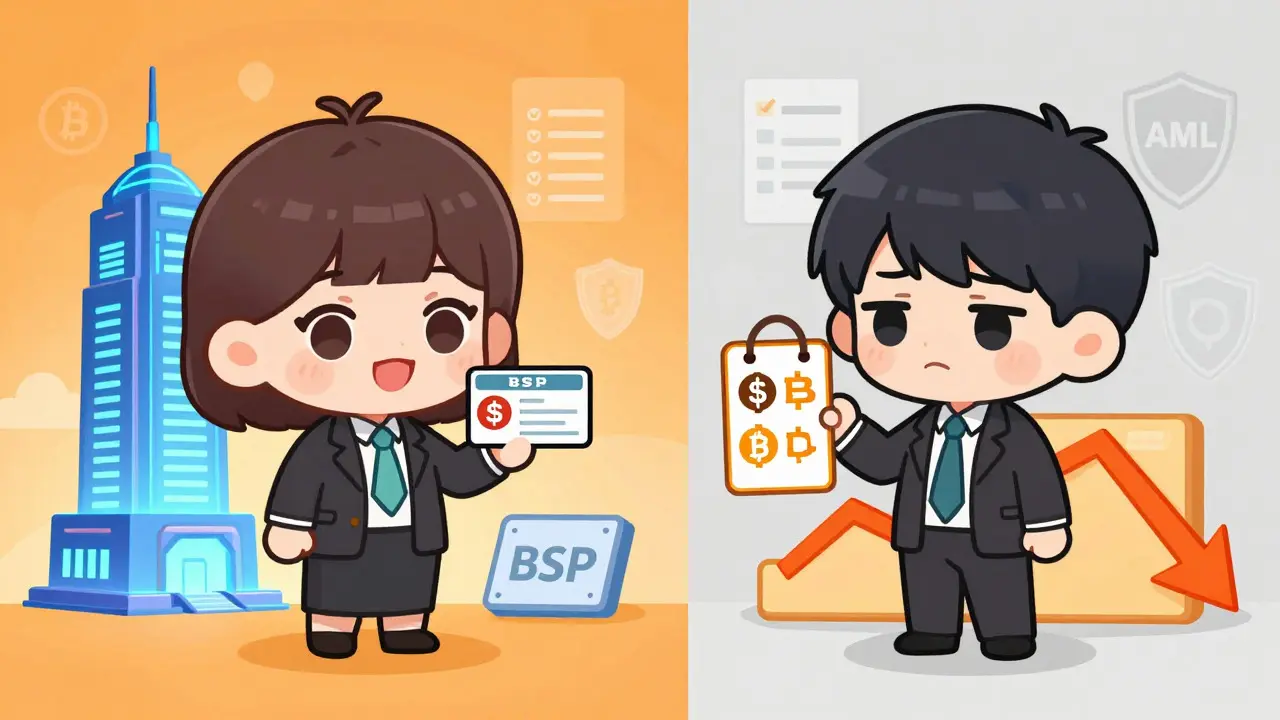
How El Salvador Compares to Other Havens
El Salvador is not alone in offering tax-friendly crypto environments. As of 2026, five jurisdictions stand out for their lenient policies. Here is how they stack up:
| Country | Tax Policy | Key Restriction / Condition |
|---|---|---|
| El Salvador | Zero capital gains on Bitcoin | Must comply with CNAD; legal tender status adds complexity. |
| Cayman Islands | No income, capital gains, or corporate tax | High setup costs; strict banking requirements. |
| UAE | Zero tax on all crypto activity | Requires physical presence/license; corporate tax introduced for profits >$370k. |
| Germany | Zero tax after 12-month holding period | Short-term gains are taxed at income tax rates. |
| Portugal | Tax-free long-term gains (NHR program) | NHR program rules tightened in 2024; limited availability. |
El Salvador's unique angle is its focus on Bitcoin specifically. The Cayman Islands and UAE offer broad exemptions for all digital assets. Germany and Portugal have time-based exemptions. El Salvador offers a permanent, structural exemption for its chosen legal tender.
Risks and Considerations for 2026
Before you pack your bags for San Salvador, consider the risks. Political stability is tied heavily to President Nayib Bukele. His popularity is high, but policy continuity depends on his administration's ability to manage debt and relations with institutions like the IMF.
Additionally, while the capital gains tax is gone, inflation and currency fluctuation remain real concerns. If the US dollar weakens, your Bitcoin gains might look smaller in nominal terms when converted back to your home currency. Also, ensure your home country doesn't claim worldwide income. Some nations will still tax you on foreign earnings, rendering the El Salvador exemption useless unless you change your tax residency.
Finally, the regulatory environment is evolving. The 2025 IMF amendments showed that external pressure can force changes. Stay updated on CNAD announcements. What is true today might be adjusted tomorrow.
Next Steps for Investors
If you are serious about leveraging El Salvador's tax laws, start with professional advice. Consult a tax attorney familiar with both your home country's laws and El Salvador's Digital Assets Law. Do not rely on blog posts alone.
Decide if you need a BSP or DASP license based on your asset mix. If you are purely Bitcoin-focused, the BSP route aligns you with the country's core mission. If you trade altcoins, you need the DASP license.
Prepare your documentation. Banks and regulators will ask for proof of funds, identity verification, and business plans. Transparency is your best friend in this jurisdiction.
Does El Salvador tax Bitcoin transactions?
No. El Salvador exempts Bitcoin transactions from capital gains tax. This means profits made from selling Bitcoin are not taxed by the central government. However, businesses must still comply with reporting requirements and may be subject to VAT on certain services.
Did the IMF agreement end the Bitcoin tax break?
No. The 2024-2025 IMF agreement required El Salvador to stop mandatory Bitcoin acceptance for merchants and halt government Bitcoin purchases. However, the core capital gains tax exemption for individuals and businesses remains in effect.
Who regulates crypto in El Salvador?
The National Commission of Digital Assets (CNAD) is the primary regulatory body. They issue licenses for Bitcoin Service Providers (BSP) and Digital Asset Service Providers (DASP) and oversee compliance with anti-money laundering laws.
Can foreigners benefit from the zero capital gains tax?
Yes. Foreign investors who invest more than ₿3 (three Bitcoin) in El Salvador are eligible for complete capital gains tax exemption on their Bitcoin profits. General foreign investors also benefit from exemptions on import duties and income earned outside the country.
Is Bitcoin widely used by locals in 2026?
Usage has declined since 2021. According to Iudop data, only 8.1% of Salvadorans reported using Bitcoin in 2024. Most daily transactions are conducted in US dollars, though Bitcoin remains popular for remittances and investment among tech-savvy users.