You know how annoying it is when you buy something and later find out it’s fake? Imagine that happening with medication or critical car parts. Every year, businesses lose over $400 billion due to counterfeit goods, according to OECD reports. That money isn't just lost profit; it represents real risk for consumers. As we move further into 2026, technology is finally catching up to solve this massive gap. Non-Fungible Tokens (NFTs) are no longer just digital art. They are becoming essential tools for tracking physical products through the global supply chain.
What Is an NFT in Supply Chain?
In the context of logistics, an NFT is not a jpeg of a monkey. It is a unique digital record attached to a physical item. Think of it like a super-secure passport for a product. When manufacturers create a batch of sneakers or electronics, they mint an NFT for each unit or pallet.
| Feature | Traditional Barcode | NFT System |
|---|---|---|
| Data Source | Central Database | Distributed Ledger |
| Tamper Resistance | Low | High (Immutable) |
| Ownership Transfer | Manual Logs | Automated via Smart Contracts |
| History Depth | Basic Transaction | Full Lifecycle Record |
This system relies on blockchain technology. Unlike standard databases that anyone with admin access can edit, blockchain records are immutable. Once data is written, it cannot be changed. This creates a single source of truth for everyone involved, from the raw material supplier to the warehouse worker and the final buyer.
Fighting Counterfeiting Effectively
The biggest immediate benefit is stopping fakes. We have seen news stories about children wearing shoes that fall apart or patients receiving medicine that doesn't work. By anchoring a physical product to a digital token, authenticity becomes verifiable instantly.
Customers can scan a code on a product tag. This connects to the token on the blockchain. If the token exists and matches the manufacturer's signature, the item is real. If someone tries to clone the code, the ledger shows the original token hasn't moved. This stops bad actors from flooding markets with cheap copies because the digital identity cannot be forged.
Traceability and Transparency
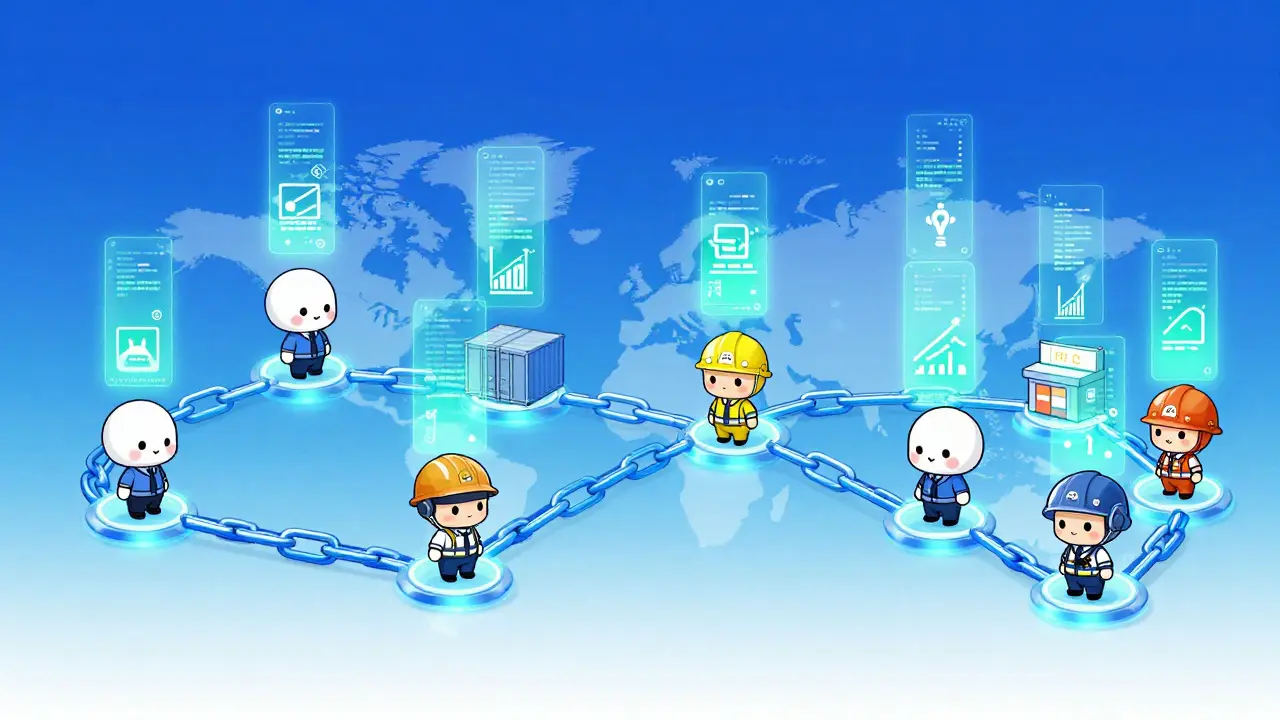
Knowing something is real is good, but knowing where it came from is better. Modern consumers care about sustainability. Did the cotton come from a farm that paid fair wages? Was the copper mined responsibly? An NFT acts as a comprehensive logbook.
We use decentralized file systems like the InterPlanetary File System (IPFS) to store heavy documentation securely. While the transaction hashes live on the blockchain for speed and security, the detailed reports-photos of the factory floor, chemical analysis sheets, shipping manifests-are stored off-chain and referenced by the NFT. This means a retailer in New Zealand can see exactly what happened to their goods in Vietnam, ensuring ethical compliance.
Digital Product Passports
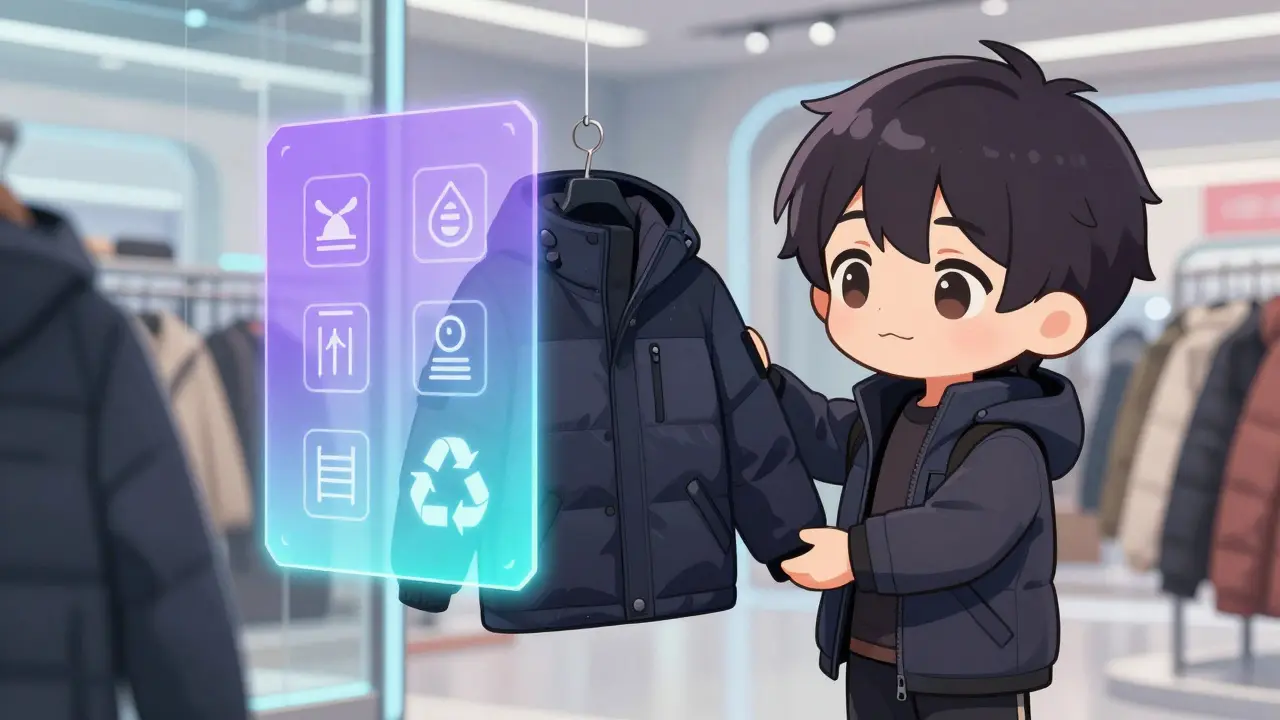
Regulations are tightening globally. By 2026, the EU has made Digital Product Passports mandatory for sectors like textiles, batteries, and electronics. Companies need to prove the environmental footprint of their goods. NFTs provide the technical architecture to build these passports.
A Digital Product Passport includes:
- Material composition details.
- Instructions for repair and maintenance.
- End-of-life recycling information.
- Certification history (organic, fair trade, conflict-free).
Without this digital trail, manufacturers face fines. With it, they gain trust. A consumer buying a laptop knows exactly how much carbon was emitted during its creation because the data is locked in the token.
Automated Payments and Finance
It is not just about tracking; it is about money flow. One of the slower parts of logistics is payment reconciliation. Traditionally, invoices take weeks to settle. When goods arrive, finance teams verify delivery notes, match them with orders, and then cut checks.
With Smart Contracts integrated into the NFT system, payments can happen automatically. As soon as the sensor data confirms the cargo reached the warehouse, the smart contract releases payment to the logistics provider. Instant settlement improves cash flow for suppliers and reduces administrative overhead for buyers.
Furthermore, this visibility opens up financing options. Banks can lend working capital against goods in transit because they can track the asset's status in real-time. A truck full of electronics becomes collateral that is constantly verified.
Quality Assurance and Recalls
We all hope quality issues never happen. But when they do, speed matters. A food safety scare or a faulty battery recall requires finding every affected unit fast. In traditional systems, tracing back to the specific production line takes days of manual searching.
With NFT-gated systems, traceability works both forward and backward. You can identify exactly which units were made with a specific batch of raw materials. If a component is defective, you don't recall the whole inventory. You recall only the specific items linked to that faulty part. This saves millions in unnecessary waste and protects brand reputation.
Implementation Hurdles in 2026
Despite the benefits, adoption isn't simple. It requires the entire supply chain network to agree on standards. If the shipper uses one blockchain standard and the retailer uses another, the data flow breaks. Interoperability remains a primary challenge.
There is also the cost of infrastructure. Small suppliers often lack the technical teams to manage node verification or IPFS storage integration. Governments and industry bodies are pushing for policy education so policymakers understand NFTs aren't just speculation tools, but operational utilities.
The Road Ahead
As we look toward the rest of the decade, expect the line between physical and digital to blur completely. Your physical car, your favorite jacket, and even your home appliances will carry a digital twin. For businesses, ignoring this shift means falling behind competitors who offer total transparency. The future of commerce is built on verified, unchangeable truth.
Can any product use an NFT for supply chain tracking?
Yes, any high-value or regulated item benefits most. Common applications include pharmaceuticals, luxury fashion, automotive parts, and organic foods. Low-cost bulk items may not justify the transaction costs yet.
How does this differ from a standard database QR code?
A database QR code points to a central server that can be edited or hacked. An NFT stores the identity on a public ledger, making the history immutable and independent of any single company's servers.
Are these NFTs expensive to create?
Gas fees and network costs vary. Private chains or Layer 2 solutions make minting nearly free per item, reducing the barrier for mass adoption compared to earlier years.
What happens if the NFC tag is removed?
Tamper-evident seals detect removal. Additionally, some systems use embedded RFID chips or chemical tagging that is inseparable from the product, ensuring the link to the token remains secure.
Is this technology ready for small businesses?
>Smaller players usually join larger platforms rather than building their own networks. Cloud-based supply chain solutions allow smaller sellers to plug into established ecosystems without needing dedicated IT staff.


joshua kutcher
March 29, 2026 AT 13:10We need to focus on how this helps real people instead of just tracking money around. It feels good to see tech used for logistics rather than gambling. Everyone deserves genuine products without worrying about safety risks. Supply chains are messy and opaque right now in almost every sector we touch. Digital identity gives workers a way to prove their contribution fairly.
Ashley Stump
March 31, 2026 AT 04:31The tech works fine until they sell your data anyway. Nothing stays private when big corporations run the nodes.
Elizabeth Akers
March 31, 2026 AT 19:29I think transparency sounds nice but costs a lot to maintain
small guys get left behind
still hoping things work out for everyone eventually
Matt Bridger
April 2, 2026 AT 07:16The architectural implications necessitate a rigorous adherence to protocol standards across all participating entities. Interoperability remains the critical failure point in current deployment strategies globally.
Lisa Miller
April 2, 2026 AT 15:22Imagine how much waste we stop when recalls become precise instantly. It saves lives in the pharmaceutical industry alone. Companies gain trust back quickly with proof of origin documents. Workers feel safer knowing their labor isn't being mislabeled as counterfeit goods. Everyone benefits from honest supply lines that do not break down easily.
Joy Crawford
April 4, 2026 AT 06:16really wish i could track my clothes better though
waste is so sad
hope you see the light soon :)
Shaira Vargas
April 5, 2026 AT 05:28This is going to change everything for luxury bags and shoes completely. Counterfeiters will hate it so much they might shut down shops forever. Imagine buying a coat and knowing exactly where the wool came from. It feels amazing to be safe from bad products in stores. We deserve to know what we are wearing on our bodies always.
Samson Abraham
April 5, 2026 AT 17:02Consumer protection laws will update to require this standard soon enough. Legal frameworks adapt to technological advances within reasonable timeframes typically.
Cara Boyer
April 7, 2026 AT 04:34They want to track us alllllll the time now lol
goverment wants control
blockchaiin is just spyware 🙈
stay away from teh new age slavery
Addy Stearns
April 8, 2026 AT 18:01The concept of digital twins blurs the line between existence and representation. When we speak of supply chains we often forget the human element entirely. A token does not care if the worker was treated well unless data proves otherwise. We rely too much on automated verification systems that lack moral reasoning capacity. History shows us technology never solves ethics on its own without oversight. Trust remains fragile even when encoded in mathematical proofs. We build walls of security but ignore the cracks in the foundation of trust itself. People manipulate records to hide truths even behind cryptographic ledgers. The desire to verify authenticity drives us toward surveillance capitalism models. Privacy becomes a casualty when every item carries a permanent history log. Corporations gain immense power through centralized visibility of decentralized assets. Small farmers cannot compete with systems requiring complex node management infrastructure. This centralization hides behind the mask of distributed ledger technology concepts. We must ask who controls the gas fees determining access rights ultimately. True transparency requires open access rather than walled garden ecosystems.
Leah Lara
April 10, 2026 AT 06:40Too much hype usually surrounds these blockchain implementations honestly. I am waiting to see if the actual usage numbers grow significantly.
Justin Smith
April 10, 2026 AT 08:38Smart contracts automate the boring stuff efficiently enough.
Wade Berlin
April 12, 2026 AT 07:44They always promise magic solutions to fix broken systems. Most of this ends up being expensive consulting fees wrapped in tech jargon.
Colin Finch
April 13, 2026 AT 01:29Every product tells a story of where it journeyed through the world. Seeing that narrative locked safely changes how we value materials differently. Nature speaks louder when we listen to the data embedded inside goods. We must embrace this shift towards radical honesty in commerce cycles.
Liam Robertson
April 13, 2026 AT 18:15Good idea but small businesses will struggle to pay for setup costs initially. Support networks need to form to help them migrate systems smoothly.
Justin Garcia
April 15, 2026 AT 09:51Everyone ignores the energy cost of running these public ledgers constantly. It is unsustainable for green goals we claim to support today.
athalia georgina
April 16, 2026 AT 01:37i know somene who lost money on this tech already
u r gonna regret trying it out yourself too probably
watch yo six
Callis MacEwan
April 16, 2026 AT 21:12Liquidity protocols and interoperability standards define success here fundamentally. Without clear governance structures the network fails under stress. Institutional adoption hinges on regulatory clarity not just tech specs.
Sean Carr
April 17, 2026 AT 18:43Training staff on new systems takes time and patience from everyone involved. Customer service teams need scripts explaining benefits clearly to buyers.
Alex Lo
April 18, 2026 AT 23:30I bet the future is going to be so cool with all these tokens floating around everywhere we go. You dont even have to carry receipts anymore because the phone knows everything. It feels like science fiction coming true in warehouses finally. My cousin works in shipping and he loves scanning the new codes. The speed is crazy compared to old paper logs from before. Mistakes happen less when the computer writes the book automatically. We all win when fraudsters lose their ability to fake items. Its going to take a bit to get everyone onboard though definitely. Training sessions and hardware updates will drain budgets at first. Hopeless optimists like me say it will all pay off in five years flat. Just imagine scanning a jacket and seeing the factory photos live. No more wondering if the cotton was stolen somewhere along the line. We deserve better truth than what we got yesterday. Technology should serve humanity not the other way around always.