Imagine a thief who doesn’t break into houses but instead hacks the digital vaults of major financial institutions. Now imagine that thief is an entire country, using stolen money to build nuclear weapons. That is exactly what is happening with North Korean cryptocurrency sanctions, which are international legal measures designed to block the Democratic People's Republic of Korea (DPRK) from using illicit crypto profits to fund its military programs.
In 2025, this problem exploded. North Korea-linked hackers stole over $2.03 billion in cryptocurrency. That is more than they stole in any previous year on record. By October 2025, the total known amount stolen since tracking began had surpassed $6 billion. These aren’t random cybercriminals acting for personal gain. This is a state-sponsored operation, meticulously organized to bypass traditional banking sanctions by moving value through the borderless world of blockchain.
The Scale of the Theft: 2025 Records Broken
To understand why sanctions are tightening, you have to look at the numbers. The data from Elliptic, a leading blockchain analytics firm that tracks illicit flows on public ledgers, paints a grim picture. In just the first ten months of 2025, North Korean actors executed attacks that dwarfed previous records. For context, the previous record year was 2022, when $1.35 billion was stolen in high-profile attacks against the Ronin Network and Harmony Bridge. In 2024, the figure was $712 million. But 2025 shattered those expectations.
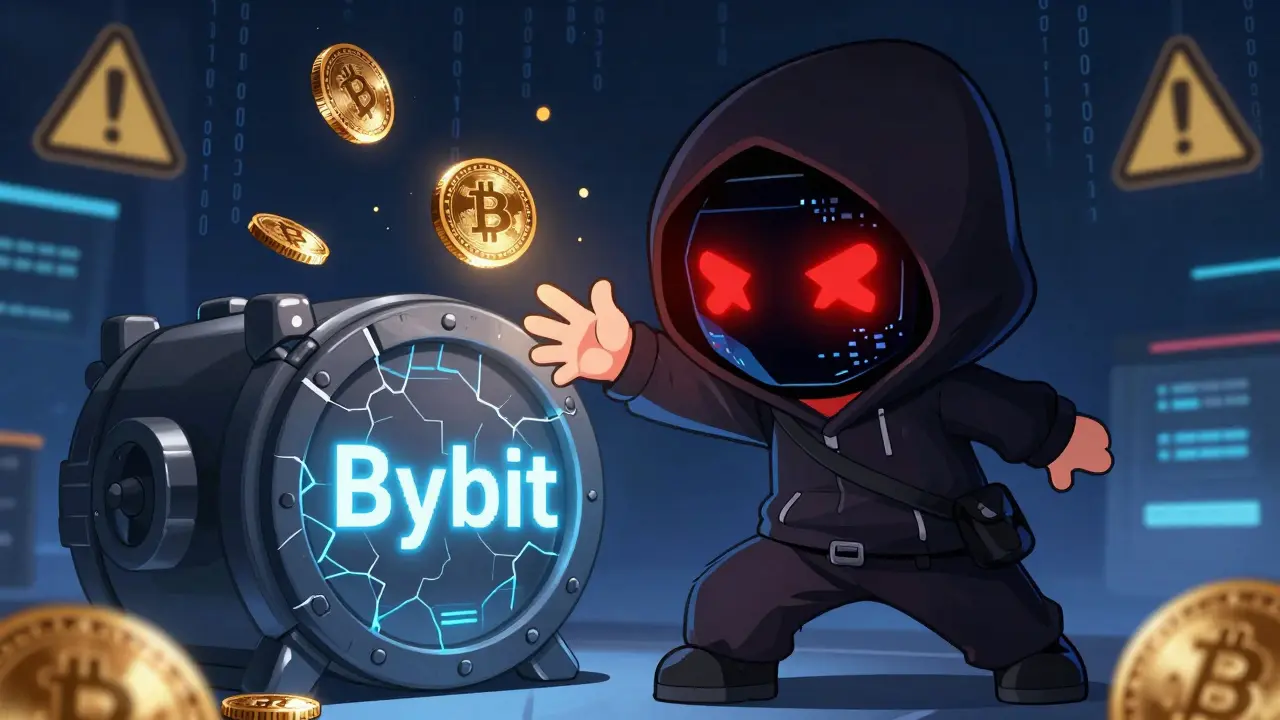
A significant chunk of this 2025 total came from a single massive breach. In February 2025, the cryptocurrency exchange Bybit suffered a breach resulting in the loss of approximately $1.46 billion. Other major incidents involved platforms like LND.fi, WOO X, and Seedify. When you add these up, the $2.03 billion figure represents only the confirmed thefts. Experts warn the real number is likely higher because many smaller thefts share the hallmarks of North Korean activity but lack sufficient evidence for definitive attribution.
Why does this matter to you? If you hold crypto, trade on exchanges, or work in fintech, this isn’t just geopolitical news. It’s a security threat. The sophistication of these operations means that the platforms you use are targets. The funds stolen don’t disappear; they move through complex laundering networks, potentially touching wallets or exchanges that interact with legitimate users.
Who Is Behind the Attacks?
It’s not just anonymous hackers in basements. The Multilateral Sanctions Monitoring Team (MSMT), a coalition of 11 nations including the U.S., Japan, and South Korea, released their second comprehensive report in October 2025. They describe North Korea’s cyber program as "full-spectrum," rivaling the capabilities of China and Russia.
The MSMT identified several key mechanisms:
- Cyber Theft: Direct hacking of exchanges, bridges, and DeFi protocols.
- IT Worker Fraud: A scheme where the North Korean government sends workers abroad under the guise of legitimate IT employment. These individuals often steal data from their employers and demand ransom, or engage in phishing schemes.
- Trafficking and Illicit Trade: Using crypto to facilitate other illegal activities.
In July 2025, the U.S. Department of the Treasury’s Office of Foreign Assets Control (OFAC) sanctioned specific entities and individuals involved in these schemes. This included Vitaliy Sergeyevich Andreyev, Kim Ung Sun, Shenyang Geumpungri Network Technology Co., Ltd, and Korea Sinjin Trading Corporation. Under Secretary John K. Hurley made it clear: the U.S. is targeting the infrastructure that allows these frauds to happen, not just the end results.

How Sanctioned Wallet Addresses Are Tracked
You might wonder how anyone can track money on a decentralized network. The answer lies in blockchain analytics. Firms like Elliptic, Chainalysis, and others use a combination of transaction pattern recognition, cluster analysis, and intelligence sources to attribute thefts to specific actors.
Here is how the process works:
- Cluster Analysis: Analysts group multiple wallet addresses that appear to be controlled by the same entity based on transaction patterns (e.g., sending change back to the same address).
- Pattern Recognition: North Korean actors often use specific mixing services, cross-chain swaps, and privacy coins in predictable sequences. These "fingerprints" help analysts identify suspicious flows.
- Intelligence Integration: Data from law enforcement, hacked forums, and insider reports is combined with on-chain data to confirm attributions.
However, there is a catch. Specific wallet addresses are rarely published in public reports due to operational security concerns. If a wallet is flagged, the actors behind it will simply move to new addresses. Instead, sanctions focus on freezing assets held at centralized exchanges and blocking transactions involving known clusters. Financial institutions must implement advanced screening tools to detect these patterns in real-time.
The Laundering Challenge: Mixing and Cross-Chain Swaps
North Korean hackers are adept at cleaning dirty money. After a theft, the stolen crypto doesn’t sit in one place. It moves quickly through a series of steps designed to obscure its origin:
- Mixing Services: Tools that pool funds from multiple users and redistribute them, breaking the link between sender and receiver.
- Cross-Chain Swaps: Moving assets from one blockchain (like Ethereum) to another (like Bitcoin or Solana) to complicate tracking.
- Privacy Coins: Converting stolen funds into currencies like Monero or Zcash, which offer enhanced transaction privacy.
- DeFi Protocols: Using decentralized finance platforms to swap tokens without intermediaries, making it harder for regulators to intervene.
This cat-and-mouse game is intensifying. As blockchain analytics improve, North Korean actors adapt their techniques. The MSMT report notes that the regime’s ability to launder funds is a critical component of its sanctions evasion strategy. Disrupting this flow requires constant updates to detection algorithms and international cooperation.
What This Means for You: Compliance and Risk
If you are a business owner, developer, or investor, you need to take notice. The U.S. State Department has offered rewards of up to $15 million for information leading to the disruption of North Korean revenue generation schemes. This signals that the government is taking aggressive action.
For businesses, this means stricter compliance requirements. You may need to:
- Implement real-time blockchain monitoring tools.
- Screen customers and partners against lists of sanctioned entities.
- Train employees to recognize phishing attempts linked to North Korean IT worker schemes.
For individual investors, the lesson is about security. Use hardware wallets, enable two-factor authentication, and be wary of unsolicited offers. The platforms targeted by North Korean hackers are often those with large liquidity pools. While your small account may not be a direct target, the stability of the ecosystem you rely on is at risk.
Looking Ahead: 2026 and Beyond
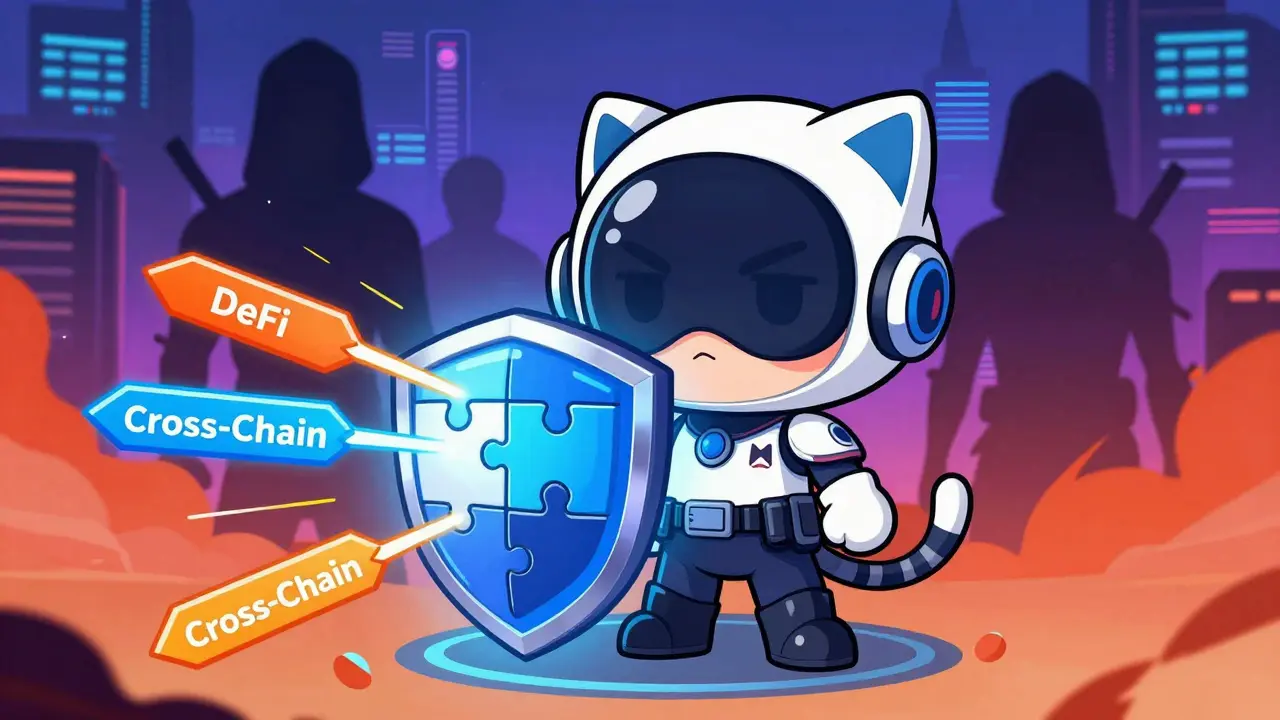
The trend is not slowing down. Cybersecurity firms predict that North Korea will increasingly target decentralized finance (DeFi) protocols and cross-chain bridges in 2026. The success of the Bybit breach and other 2025 attacks has proven that even well-funded exchanges are vulnerable.
International cooperation is strengthening, but so is the sophistication of the threats. The MSMT’s role is expanding, replacing the disbanded UN Panel of Experts with a more agile structure. The goal remains the same: to dismantle the funding streams for North Korea’s nuclear and ballistic missile programs.
As we move into 2026, the line between cybersecurity and national security continues to blur. Understanding North Korean crypto sanctions isn’t just about following regulations-it’s about protecting yourself from a global threat that operates in the shadows of the blockchain.
How much cryptocurrency did North Korea steal in 2025?
According to Elliptic’s analysis published in October 2025, North Korea-linked hacking groups stole over $2.03 billion in cryptocurrency during 2025 alone. This marks the largest annual total on record, bringing the cumulative known value of stolen cryptoassets to more than $6 billion since tracking began.
What is the Multilateral Sanctions Monitoring Team (MSMT)?
The MSMT is an initiative launched by 11 nations, including the U.S., Japan, and South Korea, to monitor and report on North Korea’s sanctions violations. It replaced the UN Panel of Experts and focuses on ensuring the effectiveness of UN Security Council Resolutions by tracking cyber operations, IT worker fraud, and other illicit revenue generation schemes.
How do blockchain analytics firms track sanctioned wallet addresses?
Firms like Elliptic use cluster analysis to group wallet addresses controlled by the same entity, transaction pattern recognition to identify unique laundering behaviors, and intelligence integration from law enforcement and insider sources. They do not typically publish specific wallet addresses publicly due to operational security risks, but they provide data to financial institutions and governments for screening.
What happened in the Bybit breach of 2025?
In February 2025, the cryptocurrency exchange Bybit suffered a massive breach attributed to North Korean actors, resulting in the theft of approximately $1.46 billion. This single incident accounted for a significant portion of the total $2.03 billion stolen by North Korea in 2025.
Why are North Korean IT workers targeted by sanctions?
North Korean IT workers are often sent abroad under fraudulent employment schemes. Once employed, they may steal data from their companies and demand ransom, or engage in phishing and fraud to generate illicit revenue. The U.S. Treasury and other agencies sanction these workers and the organizations that hire them to disrupt this source of funding for the DPRK regime.
What should businesses do to comply with North Korean crypto sanctions?
Businesses should implement real-time blockchain monitoring tools, screen customers and partners against lists of sanctioned entities, and train employees to recognize phishing attempts linked to North Korean IT worker schemes. Compliance with OFAC regulations is critical to avoid severe penalties.
Is North Korea’s cyber threat increasing in 2026?
Yes. Cybersecurity firms predict that North Korea will continue to target decentralized finance (DeFi) protocols and cross-chain bridges in 2026. The regime’s cyber program is described as "full-spectrum" and rivals the capabilities of major state actors, indicating a persistent and evolving threat.