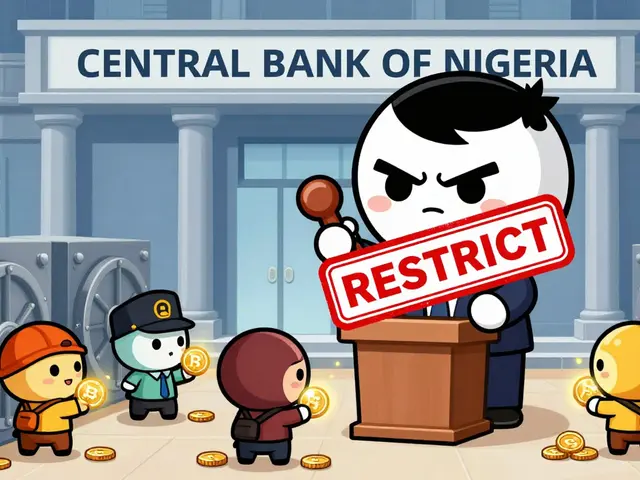
On September 8, 2025, the United States Department of the Treasury the federal agency responsible for managing the nation's financial system and enforcing economic laws dropped a hammer on Southeast Asia. The Office of Foreign Assets Control (OFAC) sanctioned nine entities in Myanmar and ten in Cambodia, specifically targeting cyber scam networks criminal organizations that use digital assets and social engineering to defraud victims operating out of Shwe Kokko. If you hold crypto or deal with exchanges in the region, this isn't just news; it’s a regulatory earthquake that changes how we view cross-border transactions.
The core issue? Americans lost over $10 billion to these scams in 2024 alone. These weren't simple phishing emails. They were sophisticated operations using virtual currency investment scams fraudulent schemes promising high returns on digital assets to lure victims into sending funds to trap investors. The US government decided that freezing the assets of the people running these compounds was the only way to stop the bleeding. Here is what actually happened, who got hit, and what it means for your wallet.
The Target: Shwe Kokko and the Karen National Army
To understand the sanctions, you have to look at the geography. Shwe Kokko a semi-autonomous town on the Thai-Burmese border known for hosting large-scale cyber scam centers sits in a unique legal gray zone. It is controlled by the Karen National Army (KNA) a rebel group that operates independently from the Myanmar military but maintains complex ties to state power. For years, the KNA provided protection to these scam compounds in exchange for a cut of the profits. Now, OFAC has designated the KNA itself as a transnational criminal organization.
This is a significant shift. Previously, sanctions targeted individual scammers or shell companies. This time, the US named the leader, Saw Chit Thu, and his two sons, Saw Htoo Eh Moo and Saw Chit Chit. By hitting the leadership structure, the Treasury aims to dismantle the entire operational ecosystem. The logic is simple: if the protectors are frozen out of the US financial system, the protection rackets become too expensive to maintain.
How the Scams Worked
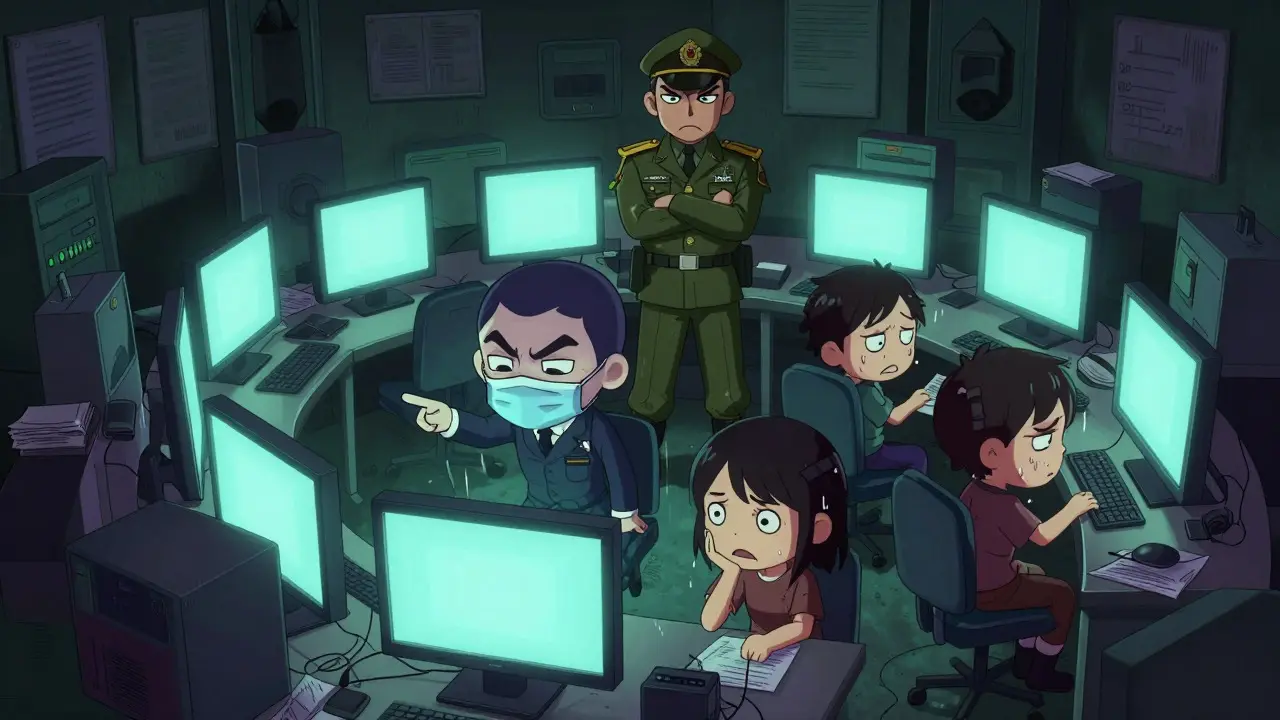
You might wonder how anyone falls for these. The tactics are surprisingly effective. Victims often start with legitimate job offers or dating app interactions. Once hooked, they are moved to physical compounds in Myanmar or Cambodia. There, they are forced under violent coercion to work as "scammers." Their job? To convince American targets that they can double their money in cryptocurrency digital assets like Bitcoin and Ethereum used for peer-to-peer value transfer.
The use of crypto is key here. Unlike bank transfers, which leave a clear paper trail, crypto transactions can be obfuscated through multiple wallets and mixers. This allowed the syndicates to move billions without immediate detection. However, the US government now argues that this very complexity makes the criminals vulnerable to targeted asset freezes. If you cannot move your money through US banks or stablecoin rails, your operation stalls.
What the Sanctions Actually Do
Sanctions are not just symbolic. Under the new rules, all US-based assets of the designated entities are frozen. More importantly, any US person-individual or company-is prohibited from engaging in transactions with them without a specific license. This creates a massive compliance headache for global firms.
Consider a mid-sized exchange based in Singapore. If they process even a small amount of volume from a wallet linked to a sanctioned entity in Shwe Kokko, they risk secondary sanctions. This forces institutions to tighten their Know Your Customer (KYC) a regulatory process requiring businesses to verify the identity of their clients protocols. Expect stricter checks on deposits from Southeast Asian addresses. The goal is to make doing business with these networks more risky than profitable.
| Aspect | Detail |
|---|---|
| Date Issued | September 8, 2025 |
| Issuing Body | US Department of the Treasury (OFAC) |
| Primary Targets | 9 entities in Myanmar (Shwe Kokko), 10 in Cambodia |
| Designated Group | Karen National Army (KNA) |
| Legal Basis | E.O. 13851, E.O. 13694, E.O. 13818, E.O. 14014 |
| Estimated Victim Losses (2024) | Over $10 billion |

Impact on the Crypto Market
Will this crash the market? Probably not immediately. Most retail investors don't interact directly with Shwe Kokko wallets. However, the ripple effects are real. Institutional investors are risk-averse. When the US government flags a region as a hub for fraud, capital tends to flow elsewhere. We may see a slight migration of liquidity away from smaller exchanges with weaker compliance teams toward major players like Coinbase or Binance, which have deeper resources to handle OFAC compliance.
There is also a psychological effect. Trust is the currency of crypto. When headlines scream "$10 Billion Stolen," casual investors hesitate. The US action sends a signal that regulators are finally taking these crimes seriously. This could stabilize long-term sentiment by reducing the fear of unregulated fraud, provided the enforcement sticks.
What Should You Do?
If you are an active trader, keep your records clean. Ensure your exchange account is fully verified. If you receive unexpected messages about "guaranteed