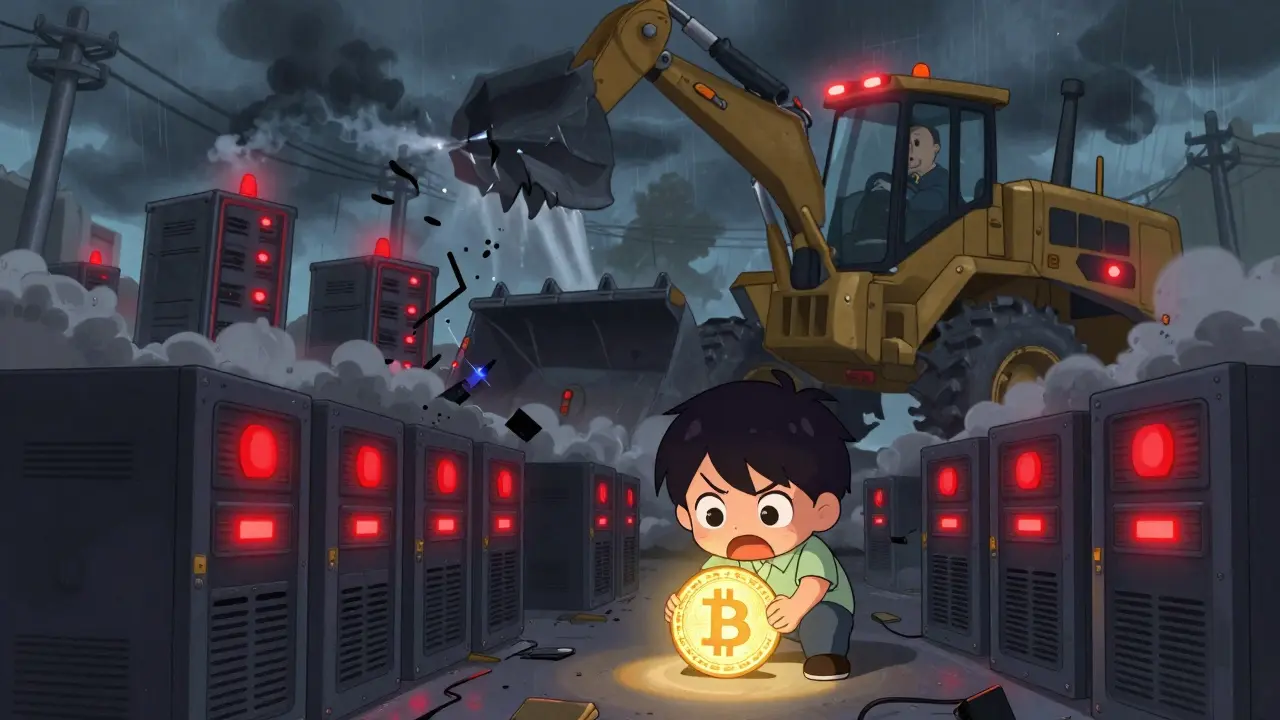
When you think of freedom in finance, crypto was supposed to be the ultimate escape - no banks, no borders, no government control. But in some countries, owning or trading Bitcoin isn’t just risky - it’s illegal. And it’s not just a few outliers. A growing number of governments have gone all-in on banning or crushing cryptocurrency use, not because they don’t understand it, but because they fear losing control over money itself.
China: The Total Shutdown
China doesn’t just restrict crypto - it erases it. In September 2021, the government declared all cryptocurrency transactions, mining, and trading illegal. Not just for banks. Not just for businesses. For everyone. If you’re a Chinese citizen and you’re mining Bitcoin in your basement, you’re breaking the law. If you run a crypto exchange out of Guangzhou, you’re facing criminal charges. Even using a VPN to access Binance or Coinbase can land you in trouble.
The government didn’t just shut it down - they went after the infrastructure. Power plants were ordered to cut electricity to mining farms. Servers were seized. Employees were arrested. And while the ban hasn’t stopped all activity - underground trading still happens - the risks are extreme. Fines can run into hundreds of thousands of dollars. Jail time isn’t rare. China’s real goal? Push everyone toward its own digital currency, the digital yuan. It’s not about stopping crypto. It’s about replacing it with something the state can track, control, and tax.
Bangladesh: Criminalizing Digital Money
In Bangladesh, holding Bitcoin isn’t just discouraged - it’s a crime. The central bank, Bangladesh Bank, has made it clear: any transaction involving cryptocurrency violates the country’s anti-money laundering laws. That means buying, selling, sending, or even receiving crypto can lead to prosecution. There’s no gray area. No exceptions. No legal loopholes.
Despite having one of the fastest-growing mobile payment markets in Asia, the government refuses to let crypto in. Why? Fear of capital flight. Fear of untraceable transactions. Fear of losing control over the taka. The result? A thriving black market. People trade Bitcoin through peer-to-peer apps, WhatsApp groups, and cash meetups. But every deal carries risk. There have been arrests. Bank accounts frozen. Even business owners have been charged for accepting crypto as payment. The ban hasn’t killed crypto - it’s just made it dangerous.
Algeria: No Crypto, No Exceptions
Algeria’s stance is as clear as its desert skies: zero tolerance. In 2018, the government banned all cryptocurrency activities - no trading, no mining, no holding. It’s not just a warning. It’s a criminal offense. The central bank says crypto undermines the national currency and invites fraud. The law doesn’t distinguish between big investors and casual users. If you own even $50 in Ethereum, you’re technically breaking the law.
Enforcement is patchy, but the threat is real. Algerians who try to use crypto often find their bank accounts blocked. Internet service providers monitor traffic for crypto-related domains. Some users turn to offshore exchanges, but the legal risk remains. The government’s message is simple: if you want to move money, use the state-approved system. Anything else is suspect.
Bolivia: The Complete Erasure
Bolivia’s ban is one of the oldest and strictest in Latin America. Since 2014, the Central Bank has declared all cryptocurrencies illegal. Not just banks can’t touch them - no one can. You can’t buy Bitcoin. You can’t sell it. You can’t even hold it as an asset on your balance sheet. The government says crypto is a threat to financial stability and a tool for fraud.
Unlike some countries that slowly tighten rules, Bolivia went full lockdown. Banks were ordered to cut off any accounts linked to crypto. ATMs that accepted crypto were shut down. Even foreign crypto transactions were flagged as suspicious. The result? A generation of Bolivians who’ve never traded crypto - not because they don’t want to, but because they know the consequences. The state’s answer? Its own digital currency, the Sistema de Dinero Electrónico. It’s not decentralized. It’s not anonymous. It’s controlled. And that’s the point.
India: The Tax Trap
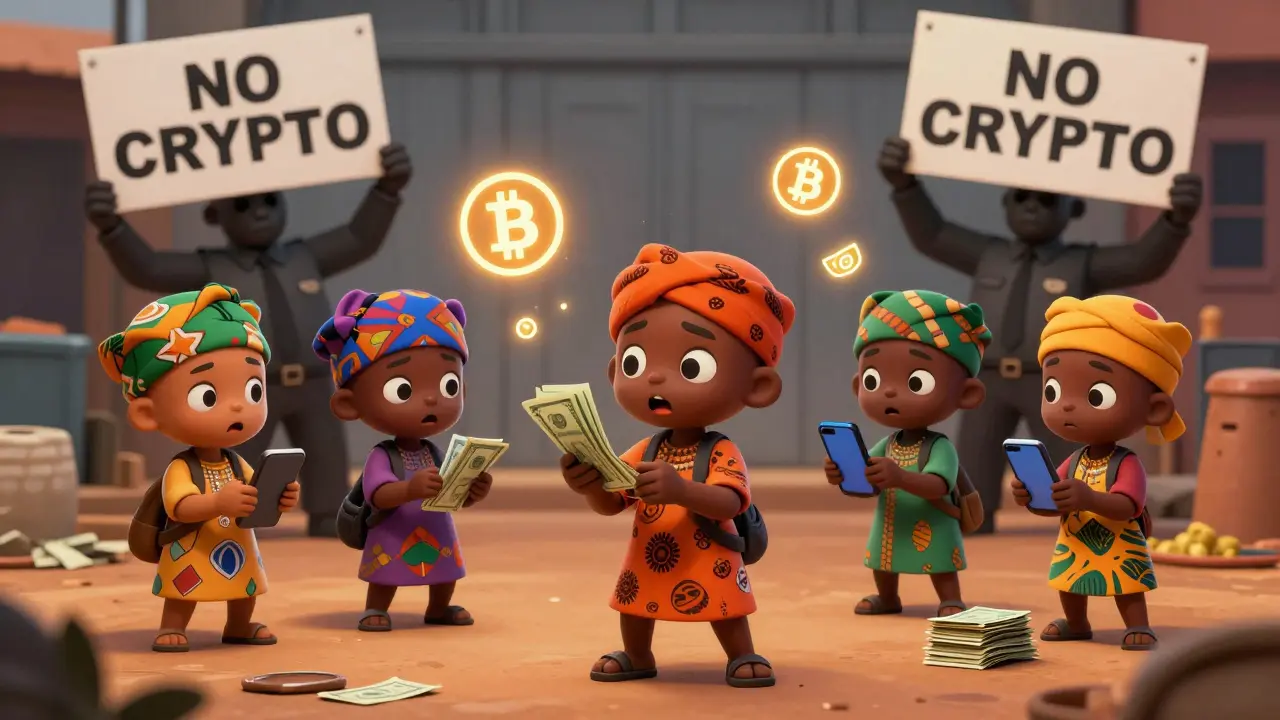
India didn’t ban crypto. But it made it so expensive to use that most people just give up. In 2022, the government slapped a 30% tax on every crypto profit - no deductions, no offsets, no exceptions. Even if you lost money on other trades, you still pay 30% on your gains. On top of that, every single transaction - buying, selling, swapping - triggers a 1% tax deducted at source. That means if you buy $1,000 in Bitcoin, $10 goes straight to the government before you even take possession.
This isn’t just a tax. It’s a deterrent. Most retail traders can’t afford to pay 30% on top of fees and slippage. Exchanges like WazirX and CoinDCX have seen user numbers drop. Some traders now use offshore platforms and cash transfers to avoid detection. The Reserve Bank of India still doesn’t recognize crypto as legal tender. And while the Supreme Court lifted a banking ban in 2020, the tax system has become the real barrier. It’s not a ban - but it might as well be.
Afghanistan: Crypto Under the Taliban
In August 2022, Afghanistan became the first country to ban crypto under a theocratic regime. The Taliban government declared all cryptocurrency activities illegal, citing religious and economic concerns. No mining. No trading. No wallets. Even receiving crypto as payment is now a violation.
The ban came as foreign aid dried up and inflation soared. The government feared crypto could become an alternative financial system - one outside its control. With the banking system in ruins, many Afghans turned to Bitcoin to send money home or buy essentials. But now, those who tried are at risk. There are reports of wallets being seized and individuals questioned by authorities. The ban has deepened financial isolation. For millions without access to banks, crypto was a lifeline. Now, that lifeline is gone.
Nigeria: The Banking Blockade
Nigeria has one of the largest crypto user bases in Africa - over 30 million people. But in February 2021, the Central Bank banned all banks from facilitating crypto transactions. That meant you couldn’t link your bank account to Binance. You couldn’t cash out your Bitcoin to Naira. You couldn’t even deposit money to buy crypto.
The ban didn’t stop trading. It just forced it underground. Now, Nigerians trade through peer-to-peer platforms like Paxful and LocalBitcoins. They use cash, mobile money, and even gift cards to swap crypto. But it’s messy. Transactions take longer. Fees are higher. And if your bank catches you, they might freeze your account - no warning, no explanation. The government says it’s about preventing fraud. But many users say it’s about protecting traditional banks from competition.
Why Do These Countries Ban Crypto?
It’s not about security. It’s not even really about fraud. It’s about control. Countries that ban crypto are afraid of losing power over money. They don’t want citizens moving wealth across borders without permission. They don’t want people avoiding taxes or bypassing state-controlled banks. They don’t want decentralized systems that can’t be turned off.
China wants the digital yuan. Algeria wants the dinar to stay king. India wants tax revenue. Nigeria wants banks to keep their monopoly. And in every case, the government’s answer is the same: if you can’t control it, ban it.
But here’s the twist: bans rarely work. People still trade. They still mine. They still hold. In China, underground mining still happens. In Bangladesh, P2P networks are thriving. In India, traders use offshore wallets. The bans don’t stop crypto - they just make it riskier, more expensive, and harder to use.
What Happens if You Get Caught?
It depends on where you are. In China, you could face prison. In Bangladesh, your bank account gets frozen and you could be charged with money laundering. In Algeria, you might be fined up to $100,000. In India, you pay 30% of your profits - and the government still knows exactly how much you made.
There’s no safe way to break these rules. Even using a VPN or offshore exchange doesn’t make you invisible. Authorities monitor internet traffic. Banks flag suspicious transfers. Crypto exchanges cooperate with law enforcement when pressured. And in countries like China and Nigeria, the penalties are designed to scare people away - not just punish them.
Is There Any Hope?
Some countries are starting to rethink. El Salvador made Bitcoin legal tender. Portugal taxes crypto at 0%. Switzerland offers clear legal frameworks. But for the countries on this list? Change is unlikely. China’s digital yuan is rolling out. India’s tax system is locked in. Bangladesh’s stance is rigid.
The real story isn’t just about bans. It’s about power. The governments that ban crypto aren’t fighting technology. They’re fighting the idea that money doesn’t have to be controlled by the state. And until that changes, crypto will keep being pushed underground - not because it’s dangerous, but because it’s free.
Is it illegal to own Bitcoin in India?
No, owning Bitcoin is not illegal in India. But every time you make a profit from trading it, you pay a 30% tax. Plus, every transaction - even swapping one crypto for another - triggers a 1% tax deducted at source. This makes legal trading expensive and complicated, effectively discouraging most users.
Can I mine Bitcoin in China?
No. All cryptocurrency mining was banned in China in 2021. Mining operations were shut down, power was cut, and equipment was seized. Any ongoing mining activity is illegal and subject to criminal prosecution. The government has not reversed this ban as of 2026.
Why does Nigeria ban crypto if so many people use it?
Nigeria’s central bank banned banks from handling crypto to protect traditional financial institutions from competition. While individual ownership isn’t illegal, cutting off bank access made trading harder and riskier. The goal was to slow adoption - not stop it. But millions still trade using peer-to-peer platforms, showing the ban’s limits.
What happens if I send crypto to someone in Algeria?
Sending or receiving crypto in Algeria is illegal under national law. Authorities can freeze bank accounts linked to crypto activity, monitor internet traffic for exchange sites, and investigate individuals who use digital assets. Penalties include heavy fines and potential criminal charges. There are no legal exceptions.
Can I use crypto in Bolivia without getting arrested?
No. Bolivia has had a complete ban on all cryptocurrency use since 2014. Buying, selling, mining, or holding crypto is illegal. The central bank has ordered banks to block crypto-related transactions, and authorities have pursued enforcement actions against violators. There is no legal gray area - using crypto in Bolivia carries legal risk.



jack carr
March 9, 2026 AT 17:33Sharon Tuck
March 11, 2026 AT 06:52Issack Vaid
March 13, 2026 AT 00:36Sherry Kirkham
March 14, 2026 AT 14:34Eva Gupta
March 14, 2026 AT 18:14Nick Greening
March 15, 2026 AT 01:19jonathan swift
March 15, 2026 AT 10:59Jennifer Pilot
March 15, 2026 AT 17:40Jeffrey Dean
March 17, 2026 AT 00:21Bonnie Jenkins-Hodges
March 18, 2026 AT 14:03Megan Lutz
March 18, 2026 AT 21:10Cerissa Kimball
March 20, 2026 AT 03:33Datta Yadav
March 20, 2026 AT 15:33Emily Pegg
March 20, 2026 AT 18:37Lydia Meier
March 21, 2026 AT 14:13Melissa Ritz
March 21, 2026 AT 17:47Jamie Hoyle
March 22, 2026 AT 22:37Jesse VanDerPol
March 23, 2026 AT 10:47Rachel Rowland
March 23, 2026 AT 13:36Basil Bacor
March 24, 2026 AT 02:26Ethan Grace
March 24, 2026 AT 09:27Shawn Warren
March 24, 2026 AT 12:03Jackson Dambz
March 25, 2026 AT 16:30Nancy Jewer
March 26, 2026 AT 20:44