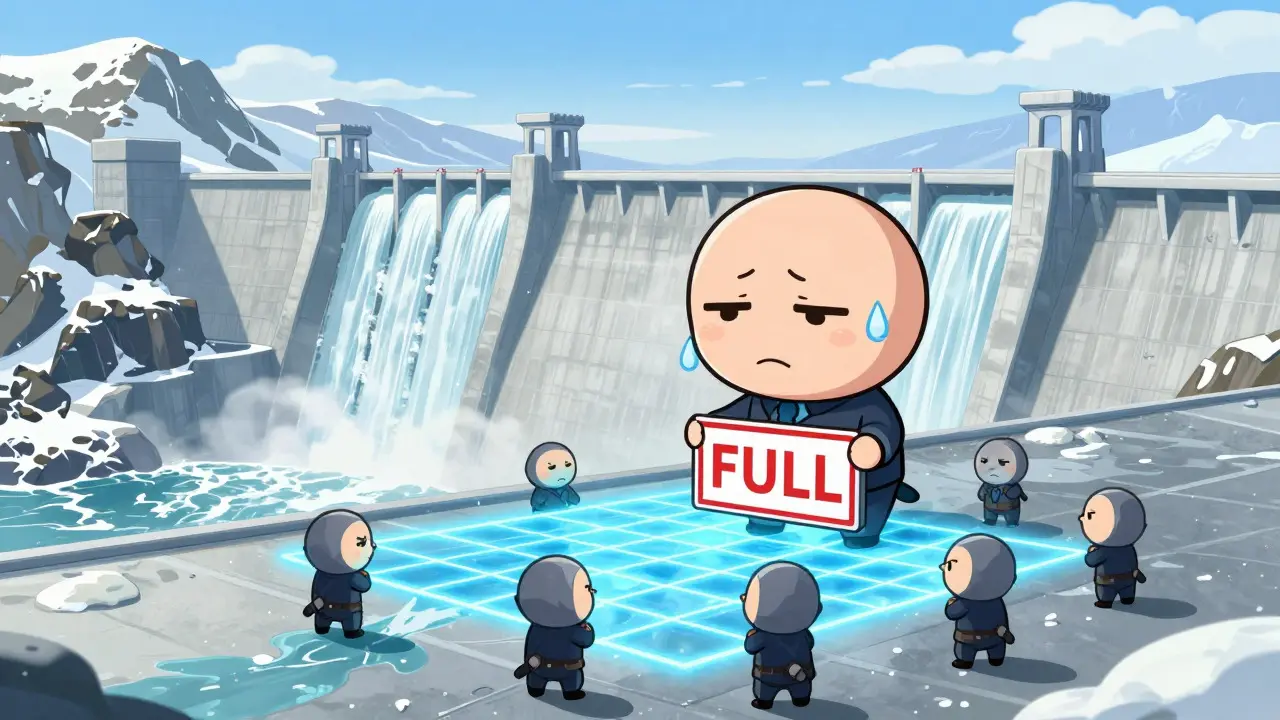
Iceland used to be the holy grail for Bitcoin miners. You could plug in your rigs, enjoy near-free electricity from volcanoes and waterfalls, and watch your hash rate climb without worrying about a government suddenly pulling the plug. But that era is ending. As of 2026, energy allocation has become the single biggest bottleneck for cryptocurrency mining in the North Atlantic island nation. The country’s grid is maxed out, new connections are nearly impossible to secure, and policymakers are actively steering clean power toward other industries.
If you are considering moving operations to Iceland or expanding an existing facility, you need to understand the hard reality: the door is closing. The sector still contributes roughly 2% to the national GDP, but the days of unlimited growth are over. Here is what is actually happening with power supply, who is winning the allocation game, and what this means for your bottom line.
The Hard Numbers: Why the Grid Is Full
To grasp why expansion is stalled, you have to look at the physical limits of Iceland’s infrastructure. The country generates almost all its electricity from two sources: hydroelectric dams (about 75%) and geothermal plants (about 25%). Both systems are operating at near-maximum capacity. There is no slack in the system for new heavy industrial loads like large-scale ASIC mining farms.
According to data from the National Energy Authority of Iceland, cryptocurrency mining consumed approximately 8% of the nation's total energy consumption in 2023. That number hasn't dropped significantly since then because new entrants can't get in, but it also hasn't grown much because existing players are capped. In terms of global impact, Iceland currently accounts for well above 1% of the global Bitcoin hashrate, despite being limited to around 120 megawatts of allocated power for the sector. That efficiency per capita is unmatched globally, similar to how Iceland leads in aluminum production per person.
| Category | Percentage/Value | Status for Miners |
|---|---|---|
| Hydroelectric Generation | ~75% | Near max capacity; little room for new load |
| Geothermal Generation | ~25% | Stable but constrained by heat source limits |
| Crypto Mining Share of Total Consumption | ~8% | Frozen at current levels; no new allocations |
| Allocated Power for Mining | ~120 MW | Hard cap for established operators |
| GDP Contribution from Mining | ~2% | Significant, but facing opportunity cost scrutiny |
The key takeaway here is scarcity. When a resource is finite and everyone wants it, the price goes up, or access gets restricted. In Iceland, access is getting restricted. New power plants are not coming online quickly enough to offset the demand from growing data centers, aluminum smelters, and domestic heating needs.
Policy Shift: From Welcome Mat to Red Tape
For a decade, Iceland welcomed miners with open arms. The political stability and lack of regulatory interference made it a safe harbor compared to jurisdictions like China or Kazakhstan, which implemented bans or sudden tariff hikes. But that friendliness has cooled. Prime Minister Katrín Jakobsdóttir publicly expressed a desire to reduce mining activities in March 2024, citing environmental concerns and the need to prioritize other uses for renewable energy.
This wasn't just a soundbite. It signaled a strategic pivot. The government now views mining as one of many competitors for clean energy, rather than a special guest. The focus is shifting toward broader blockchain development-think Central Bank Digital Currency (CBDC) pilots and fintech applications-that don't require massive amounts of continuous power. For miners, this means the regulatory environment is no longer "hands-off." It is becoming "managed."
What does this mean in practice? It means stricter scrutiny on energy usage reports, longer approval times for any facility upgrades, and a higher likelihood that tariffs will rise to reflect the true economic value of the electricity. The era of cheap, wholesale-rate contracts for new projects is effectively dead.
Who Gets the Power? The Zero-Sum Game
Since there is no new electricity being generated rapidly, every kilowatt-hour allocated to a miner is a kilowatt-hour taken away from something else. This creates a zero-sum game. Who is winning?
- Aluminum Smelting: Historically the largest consumer, the aluminum industry provides stable jobs and predictable revenue. Policymakers favor this over the volatile economics of crypto.
- Data Centers & AI: With the boom in artificial intelligence, tech companies are hungry for cold, reliable power. They often promise long-term stability and high-tech job creation, making them attractive to local governments.
- Domestic Consumption
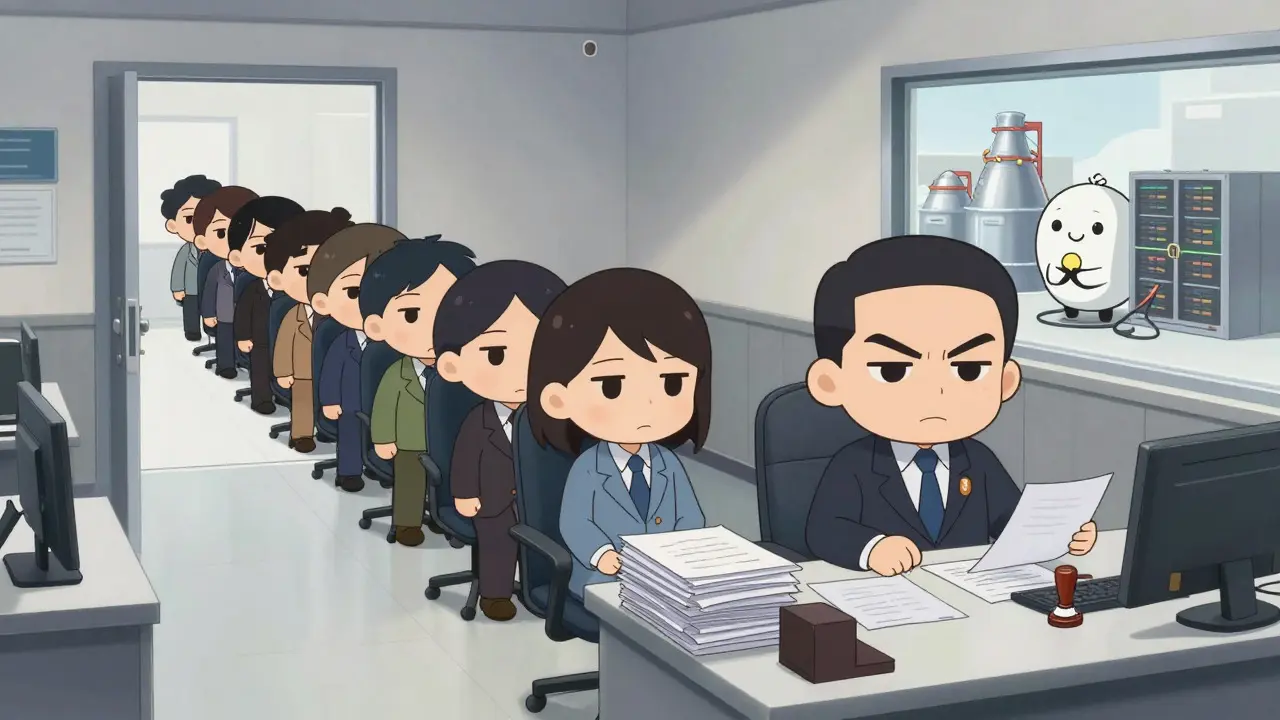
- Established Miners: Companies like Genesis Mining, Advania Data Centers, and Verne Global secured their power purchase agreements (PPAs) between 2013 and 2017. They are locked in. New entrants are shut out.
If you didn't get in during the early wave, you are essentially waiting in a queue that may never move. Industry analysts note that securing a new grid connection can take years, if it happens at all. This has led to frustration among smaller operators who see the potential but cannot access the resource.
The Economics: Profitable but Stagnant
Does this mean mining in Iceland is dead? No. It means it is stagnant. Existing operations remain highly profitable due to low energy costs and the natural cooling provided by the Icelandic climate. You don't need expensive air conditioning units running 24/7. The cold air outside is free.
However, the ceiling is visible. Modern ASICs like the Antminer S19 XP or Whatsminer M50S demand substantial continuous power loads. If you want to scale up, you need more megawatts. And those megawatts are gone. You are stuck with what you have. This limits your ability to compete on sheer volume with larger jurisdictions like Texas or Russia, where land and power are abundant.
From a financial perspective, the risk profile has changed. Ten years ago, the main risk was regulatory ban. Today, the main risk is stagnation. Your capital is tied up in hardware that cannot be expanded. If Bitcoin's price drops, your margins shrink, but your fixed costs (lease, maintenance) stay the same. You have less flexibility to adapt because you can't easily add or remove capacity based on market conditions.
Future Outlook: What Comes After 2030?
Looking ahead, most experts agree that significant new power generation capacity is unlikely to come online before 2030. This means the status quo will likely persist for another four to five years. The government is exploring hydrogen production for clean energy export and further CBDC initiatives, both of which will claim priority over mining for any new resources.
For established miners, the strategy is simple: maintain efficiency and hold your position. Don't plan on expansion. For new investors, Iceland is no longer a growth market. It is a preservation market. You go there to protect your assets from geopolitical instability elsewhere, not to grow your empire. If you are looking for scaling opportunities, you need to look elsewhere. But if you value stability and renewable energy credentials, Iceland remains a premium, albeit capped, location.
Practical Advice for Operators
If you are already in Iceland, audit your energy contract. Ensure you understand the renewal terms. Are they subject to indexation? Will the government renegotiate rates? Get legal advice specific to Icelandic energy law. If you are considering entering the market, ask yourself: Do I have a guaranteed PPA? If the answer is no, you probably shouldn't go. The barrier to entry is now the power contract itself, not the hardware or the location.
Keep an eye on the National Energy Authority announcements. Any shift in policy regarding industrial tariffs or grid connection queues will be a direct signal of how much room is left for mining. The window is narrow, and it is narrowing fast.
Is crypto mining banned in Iceland?
No, it is not banned. However, it is heavily restricted by energy availability. The government prefers to limit new entries to preserve power for other sectors, but existing operations can continue as long as they meet their contractual obligations.
How much electricity does Iceland allocate to mining?
The sector is currently capped at approximately 120 megawatts of power allocation. This represents about 8% of the nation's total energy consumption, a figure that has remained relatively static in recent years due to grid constraints.
Can new miners get power contracts in Iceland?
It is extremely difficult. Most available power is already committed to aluminum smelters, data centers, and established miners from the 2013-2017 era. New entrants face indefinite waiting lists and high uncertainty regarding grid connection approvals.
Why is Iceland reducing support for mining?
The government is prioritizing other uses for its scarce renewable energy, such as aluminum production, AI data centers, and domestic consumption. They view mining as having a higher opportunity cost compared to industries that provide more stable employment and long-term economic benefits.
Is mining in Iceland still profitable?
Yes, for existing operators. Low energy costs and natural cooling keep margins healthy. However, profitability is capped by the inability to scale. You cannot increase output significantly, so your revenue is limited by your fixed power allocation.